Palms
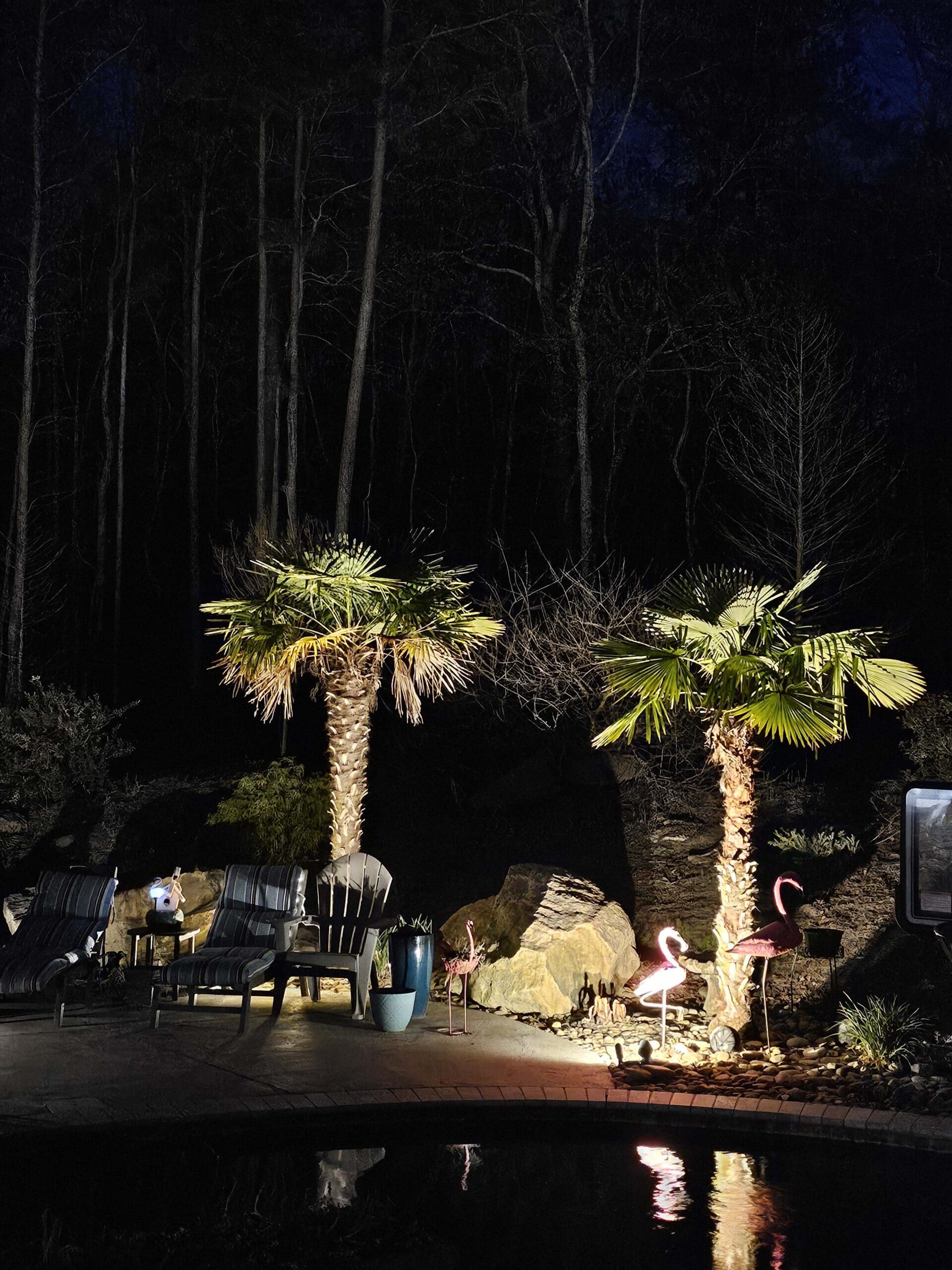
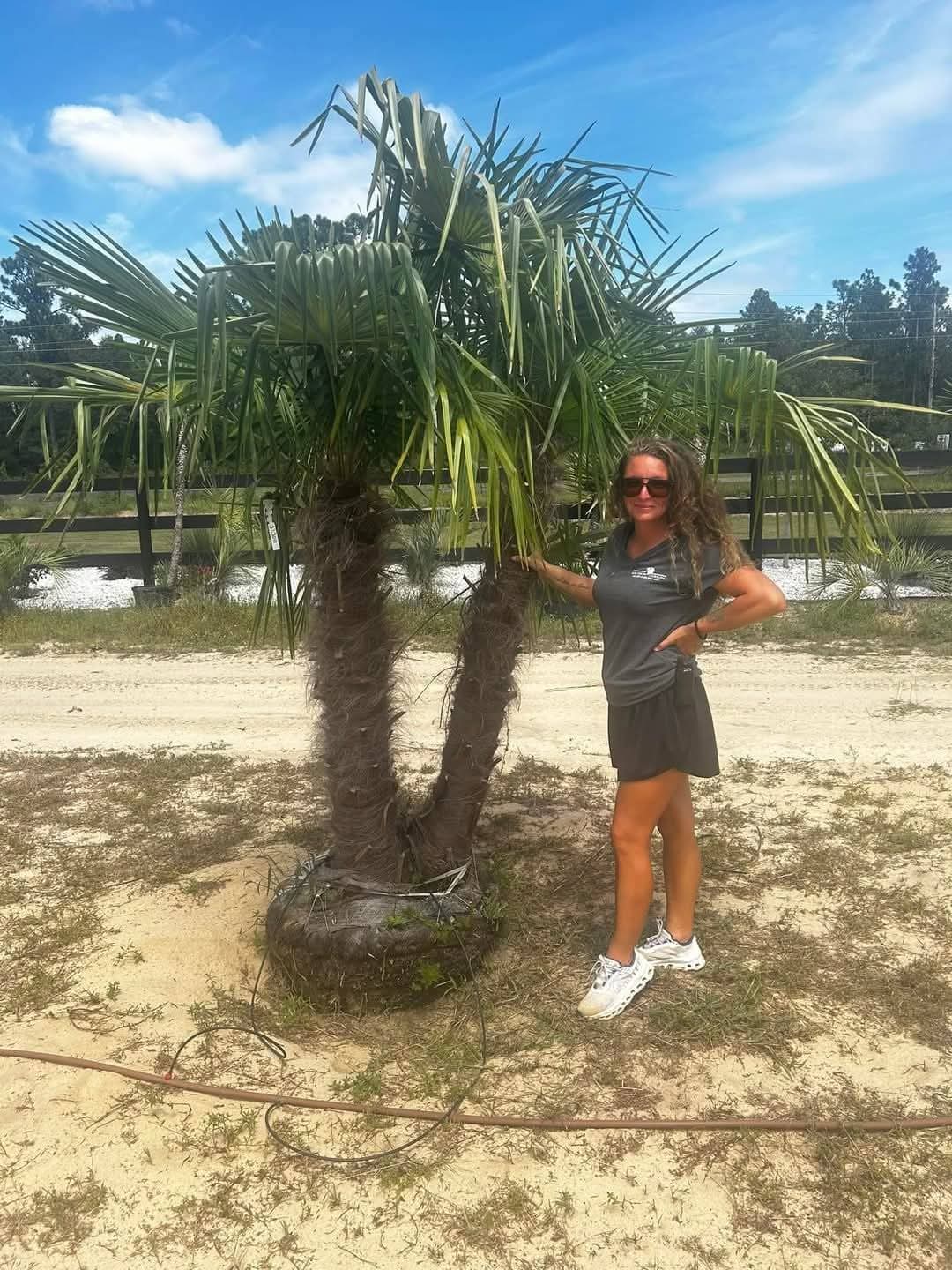
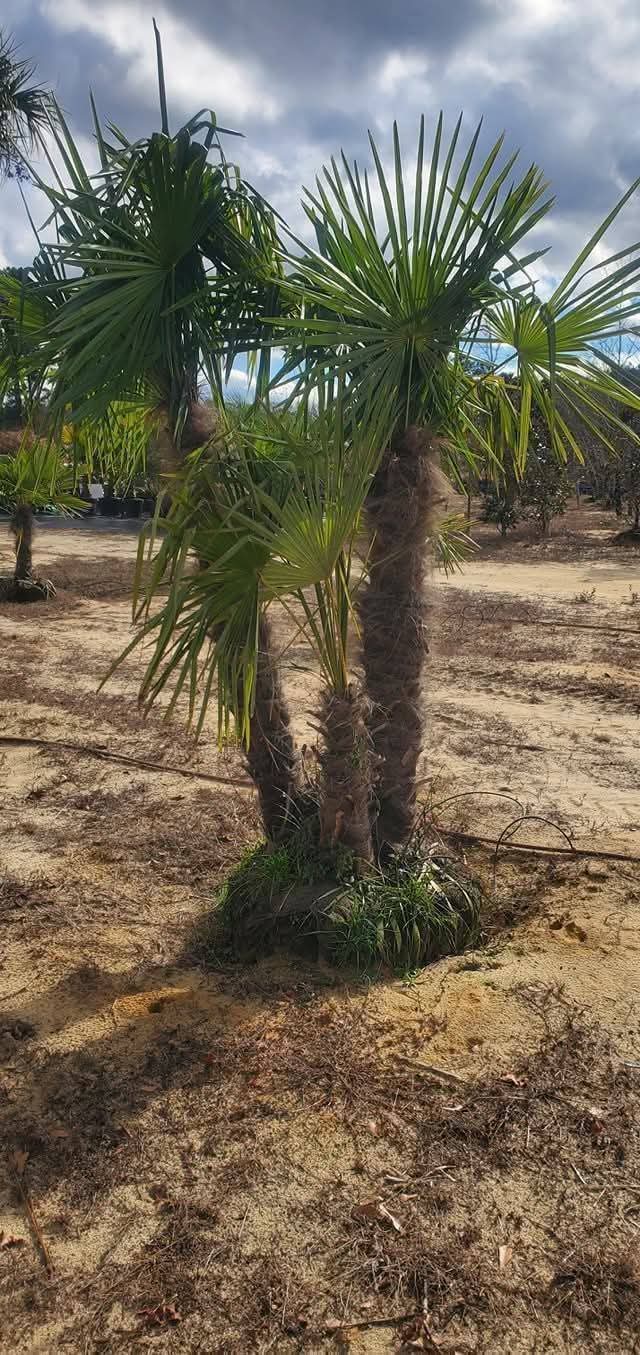
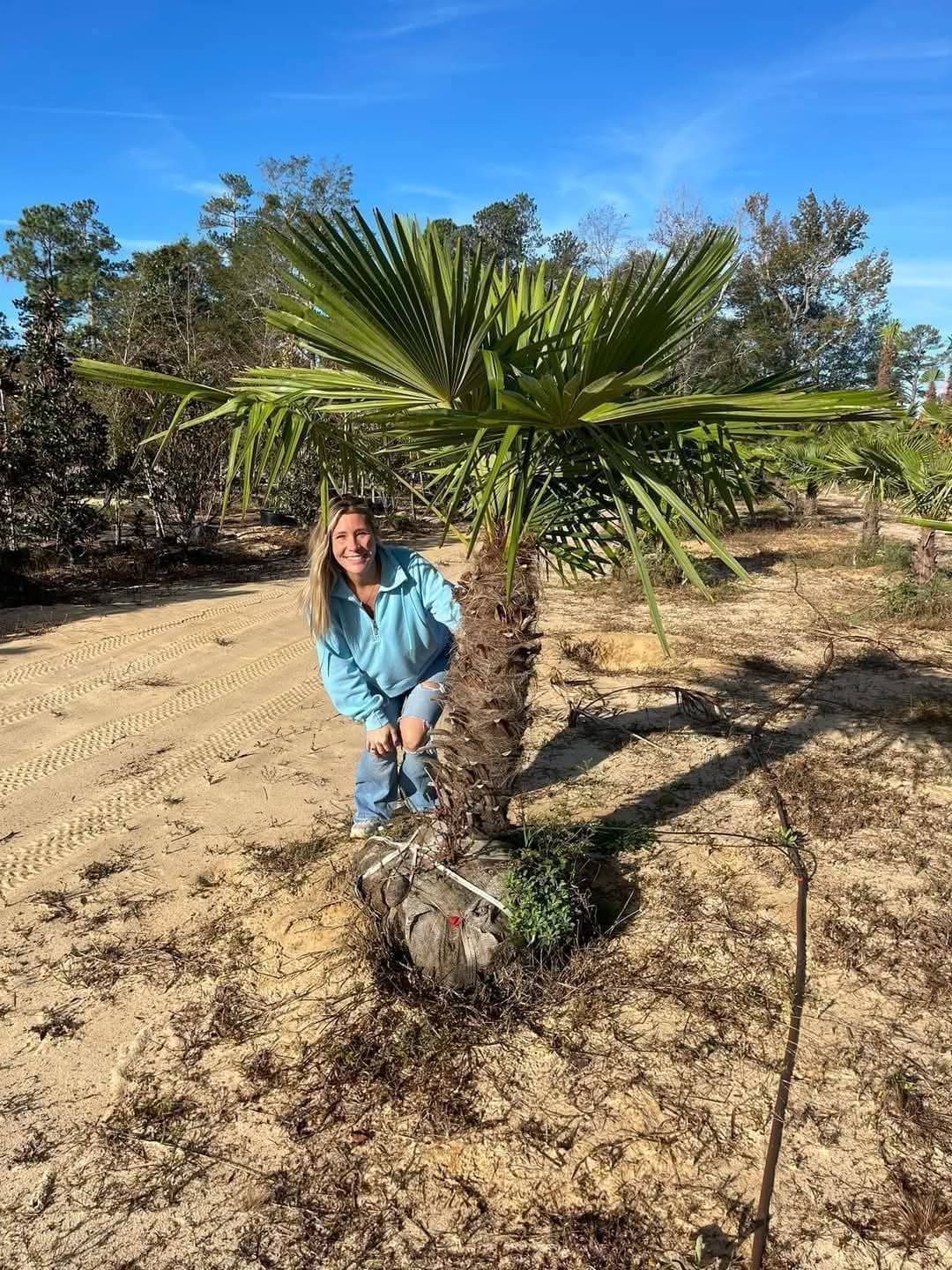
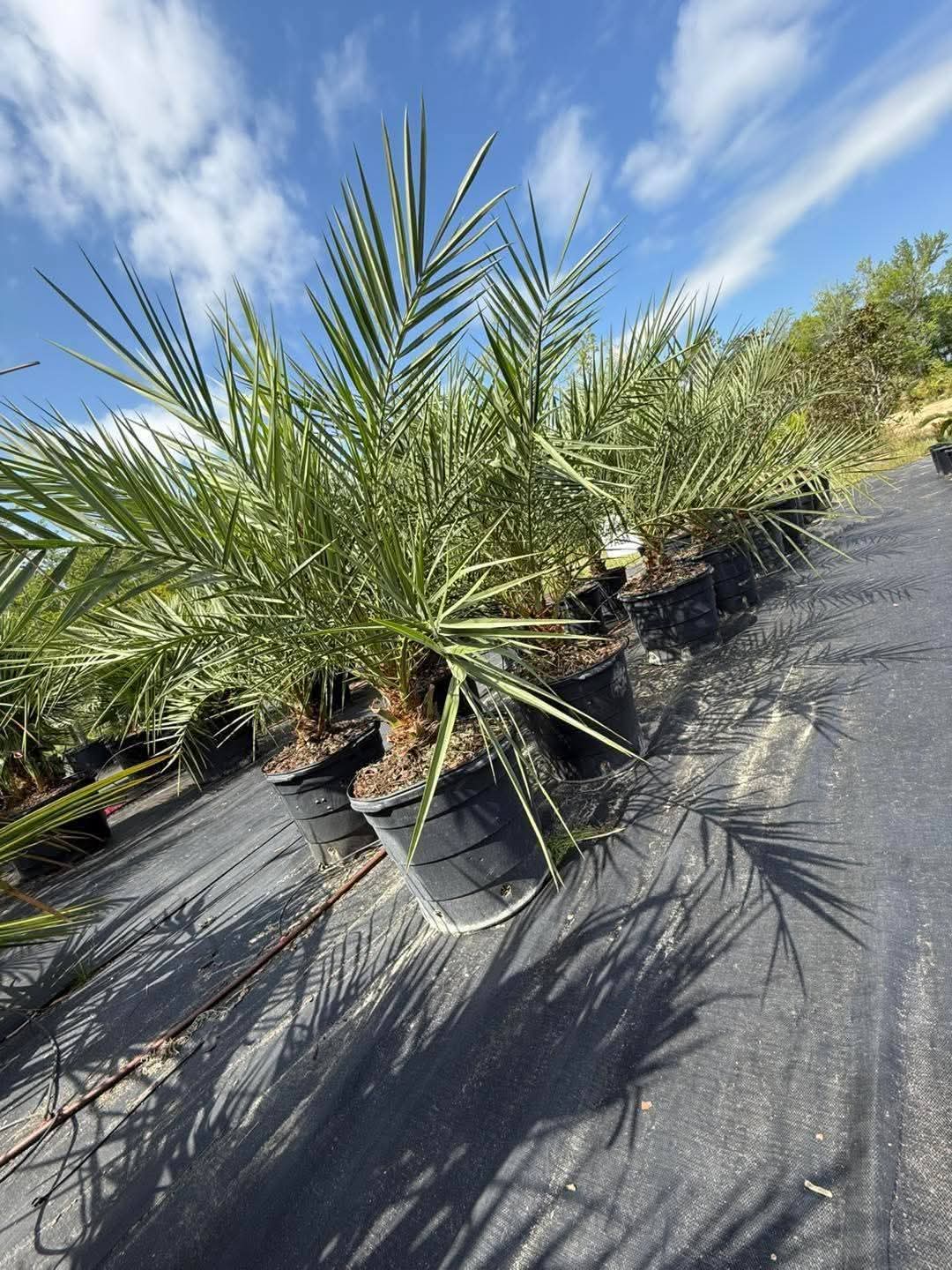
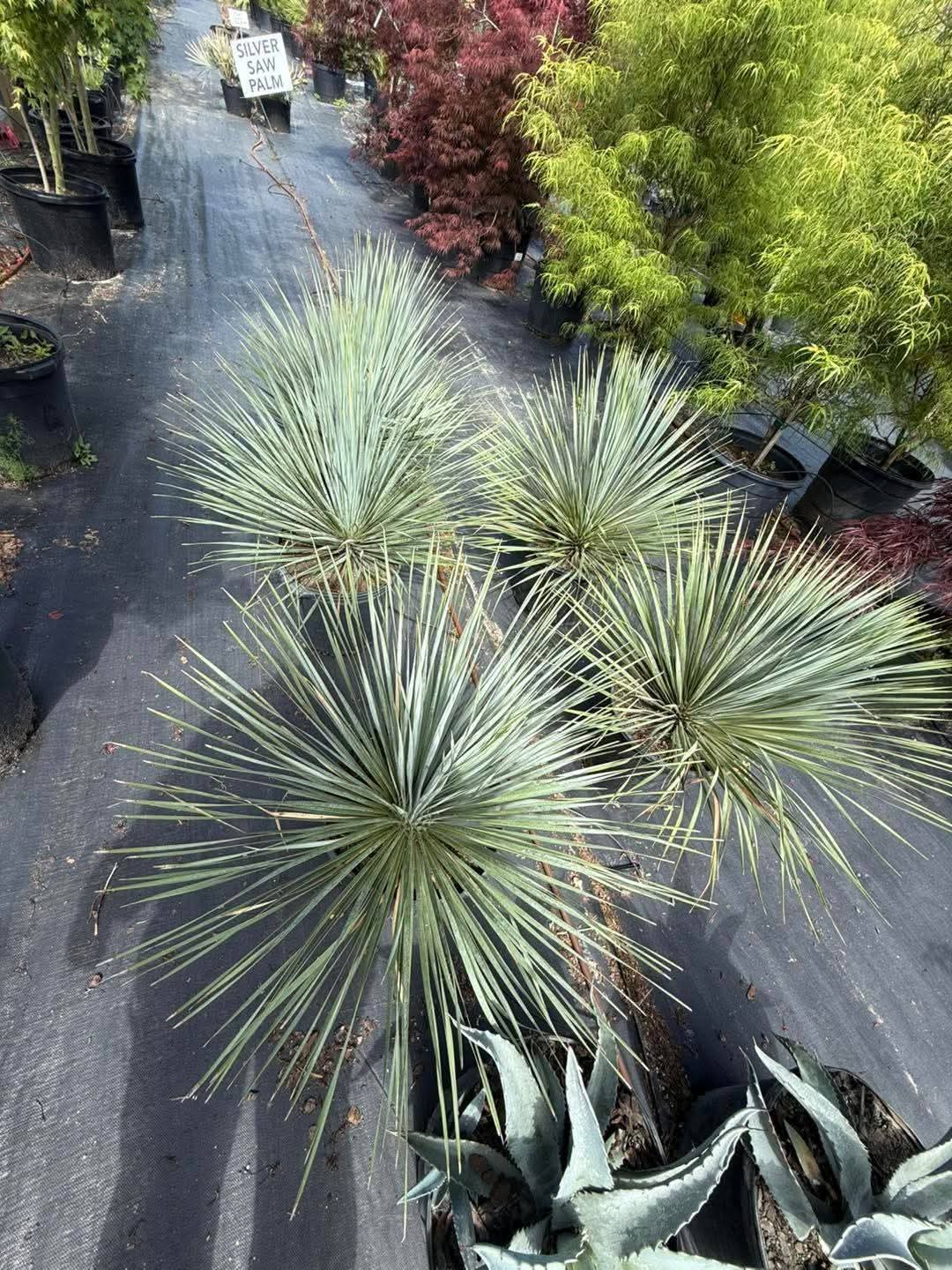
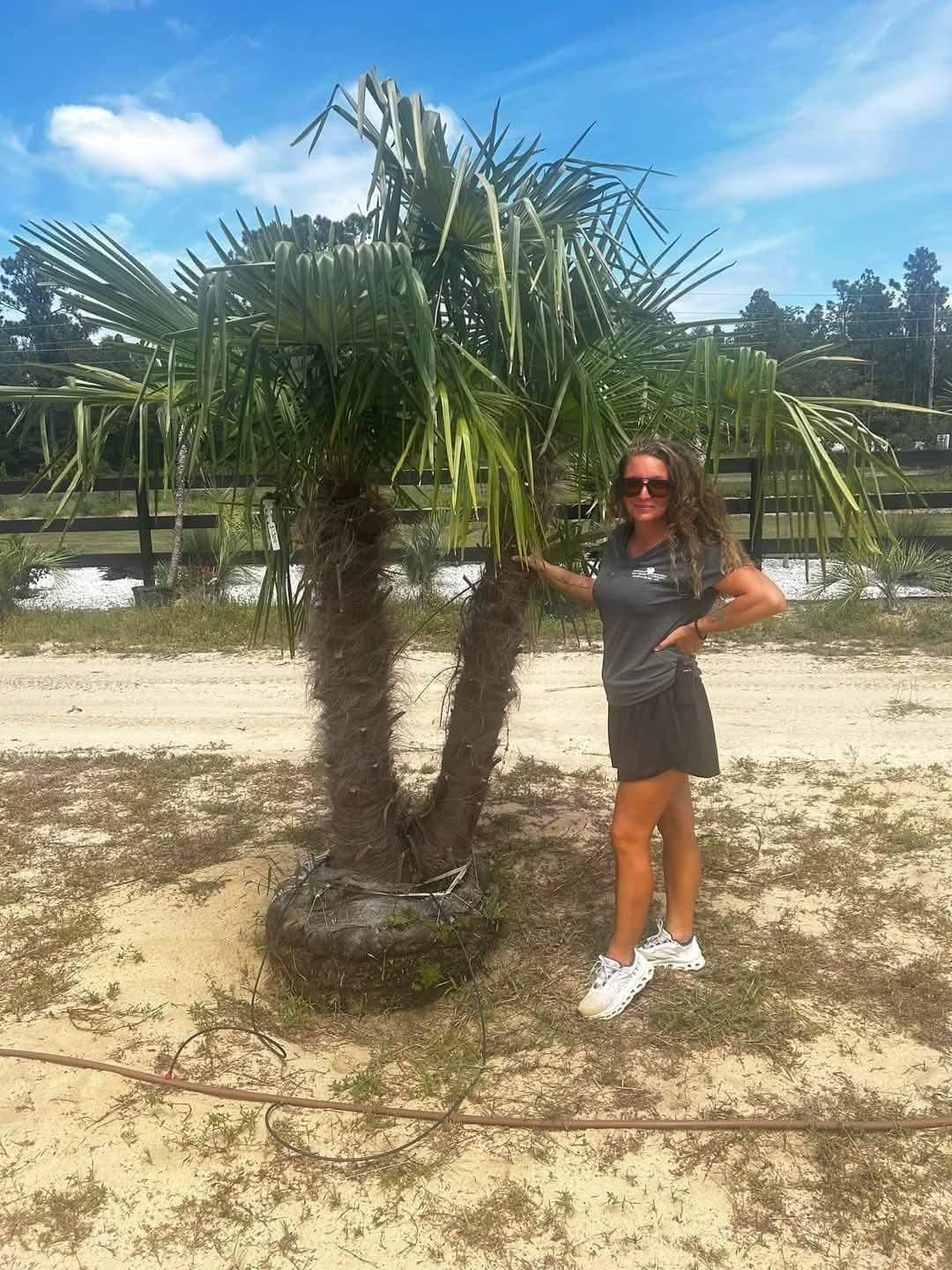
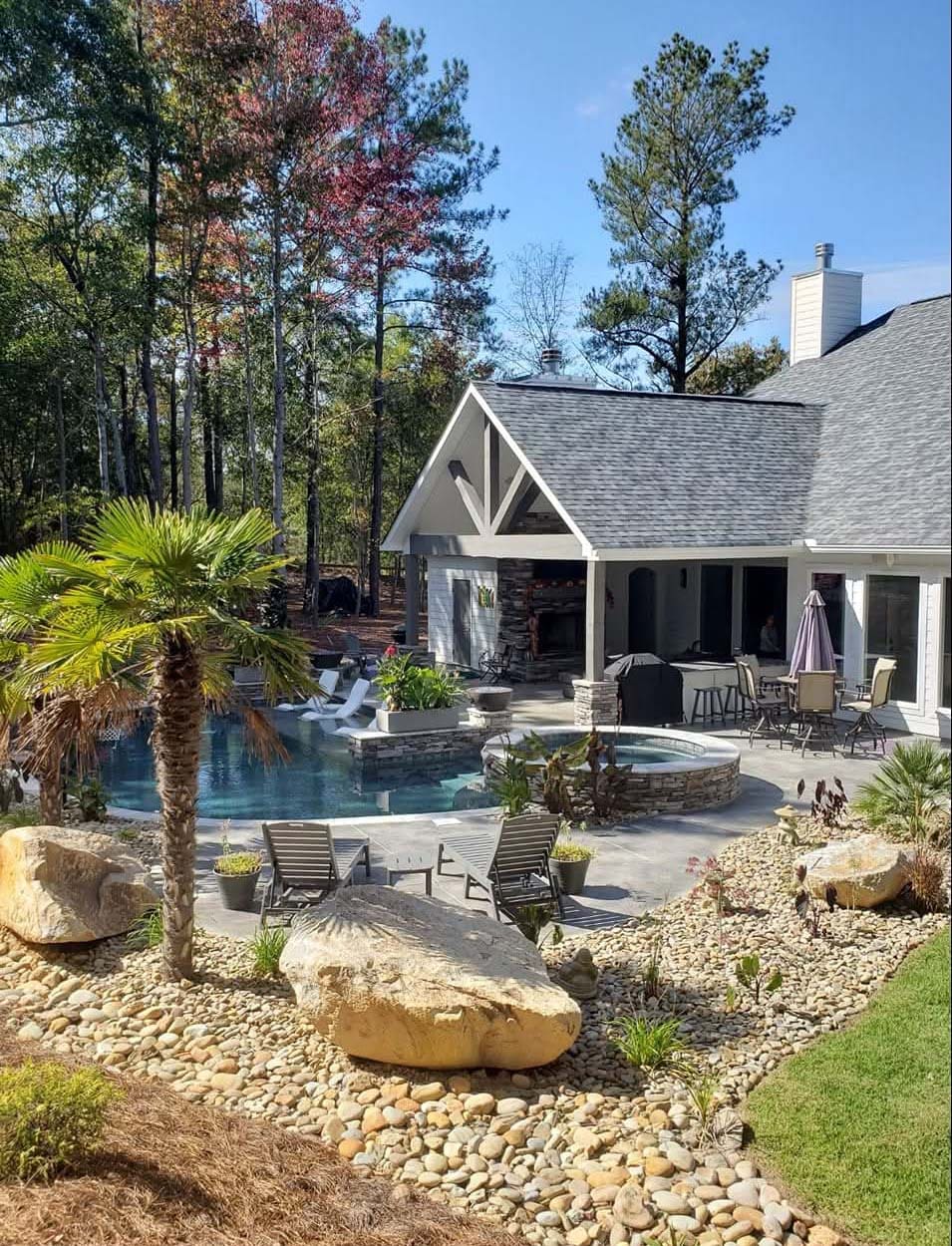
Southern Carolina Palms and More offers a wide selection of beautiful, hardy palms and yuccas to enhance any landscape. Whether you’re looking for the iconic Sabal (the South Carolina state tree), the cold-hardy Windmill palm, or the striking Pindo palm with its graceful, arching fronds, we have the perfect palm for your needs. We also carry Needle palms, known for their resilience, as well as tall, elegant Washingtonia palms. In addition to palms, we offer a variety of Yuccas, each adding a unique, sculptural touch to your outdoor space. Our team is here to help you choose the right trees and plants to thrive in the Southern climate.
Palm Varieties We Carry
At Southern Carolina Palms and More, we offer a diverse selection of cold-hardy palms and tropical favorites, perfect for enhancing landscapes across the Southeast. Our current selection includes:
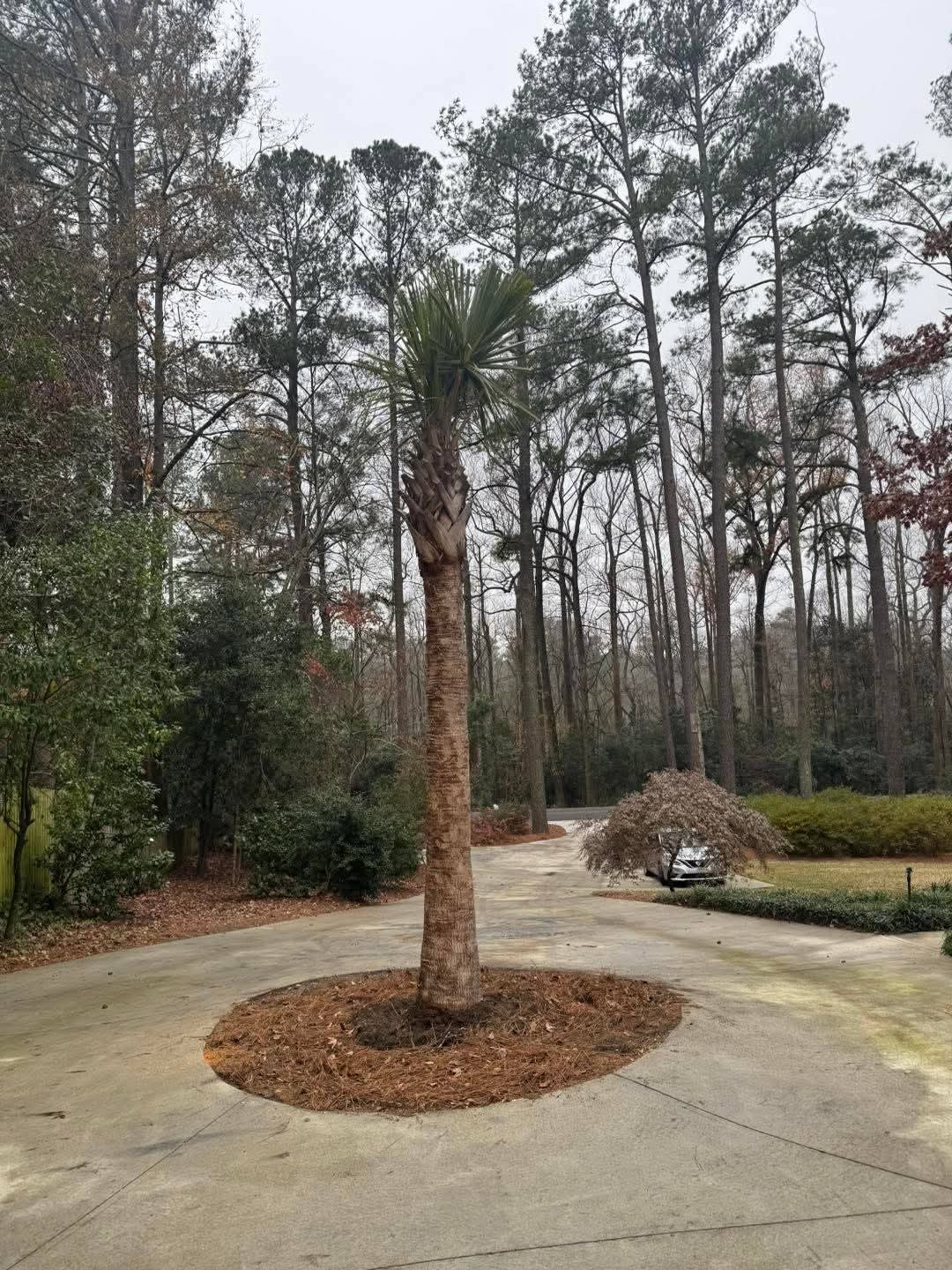
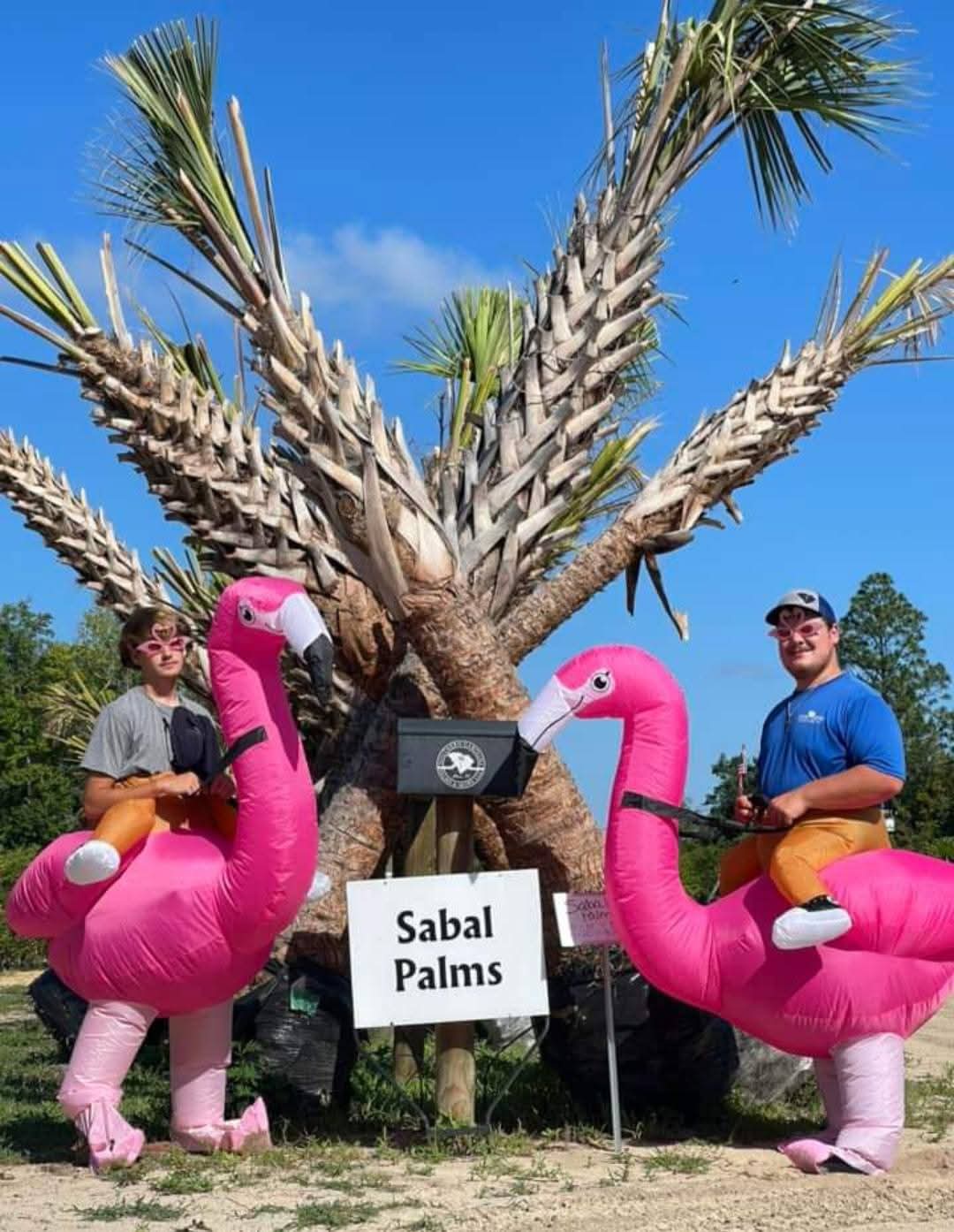
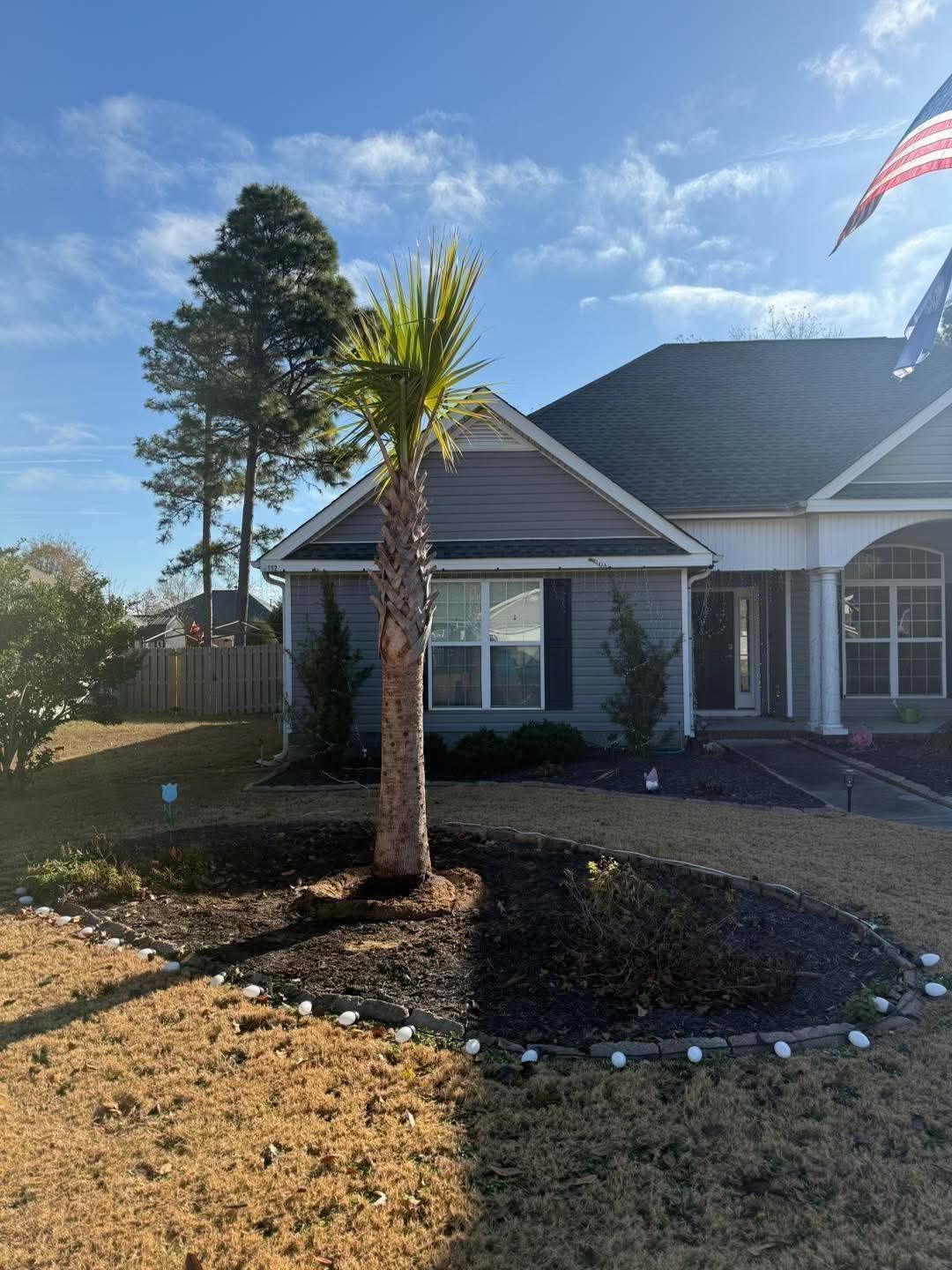
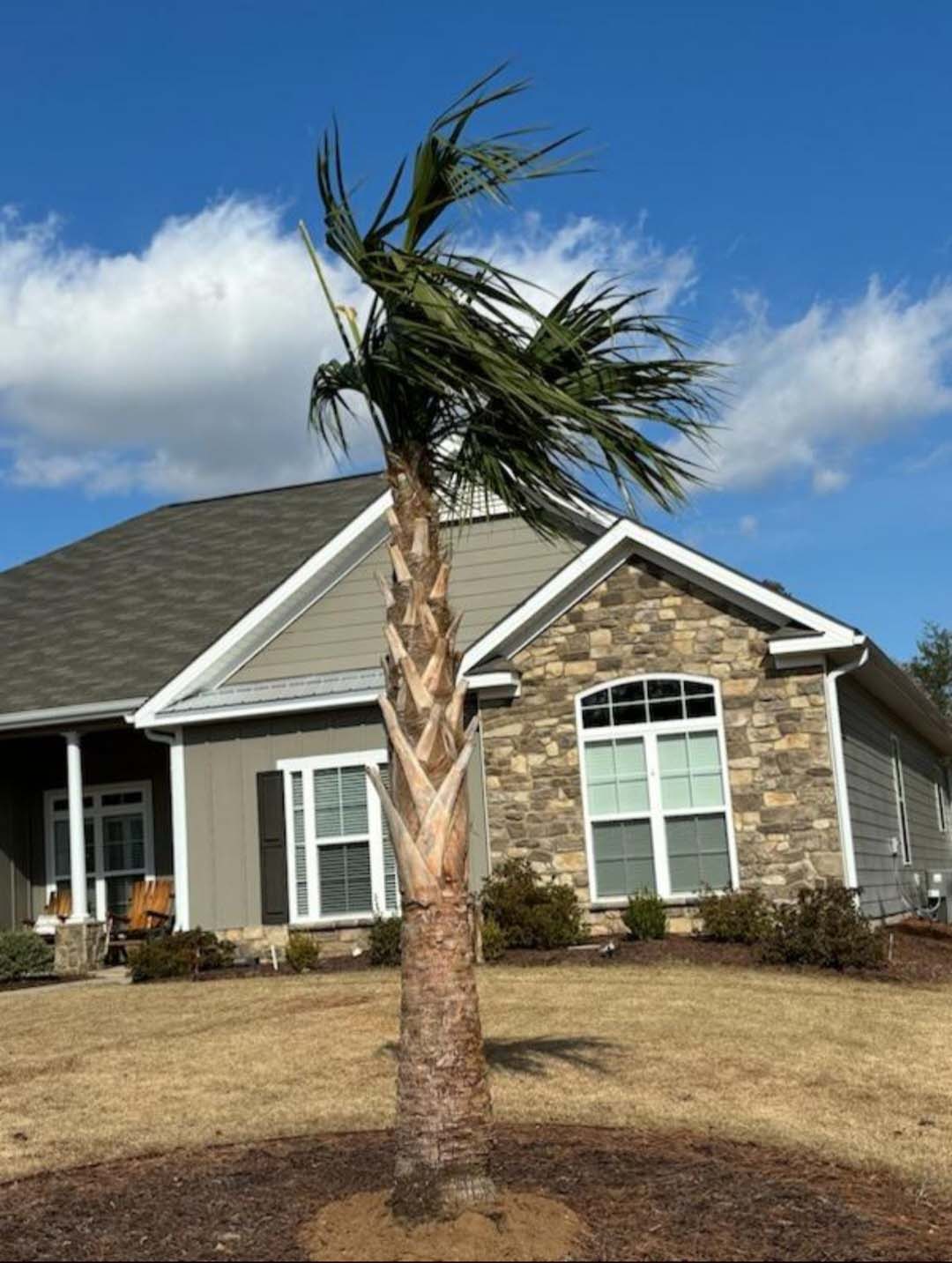
- Sabal Palmetto (Cabbage Palm)
- European
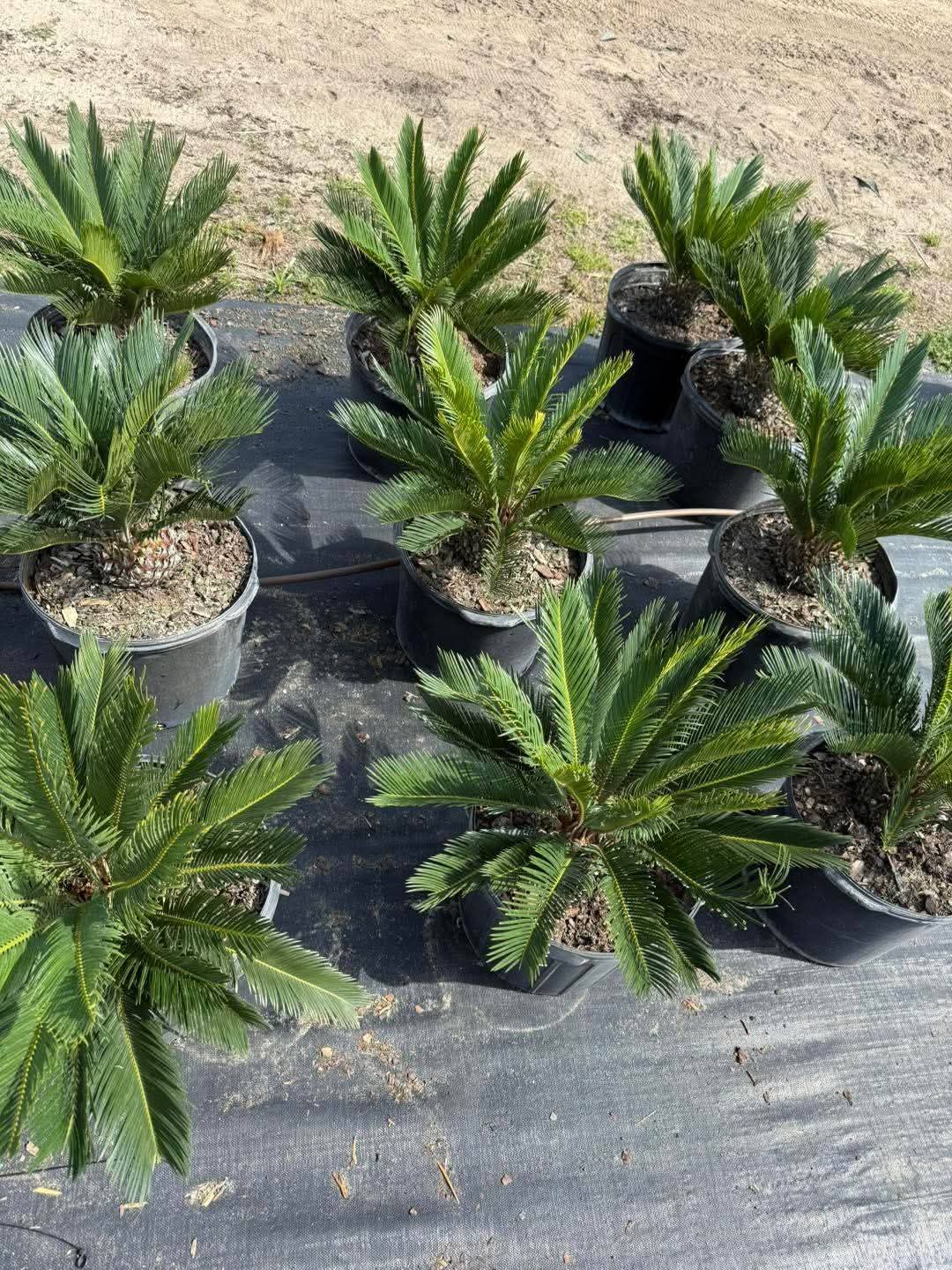
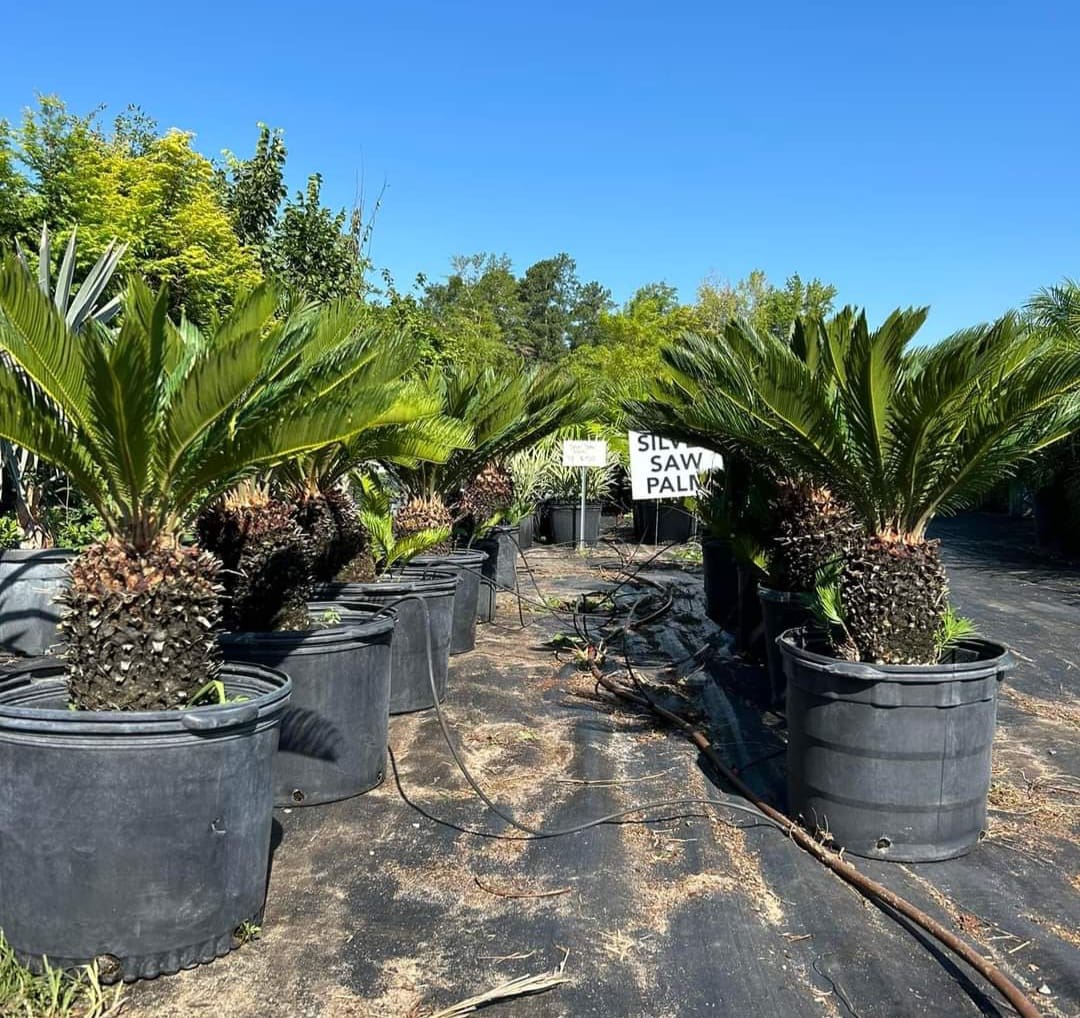
- Sago
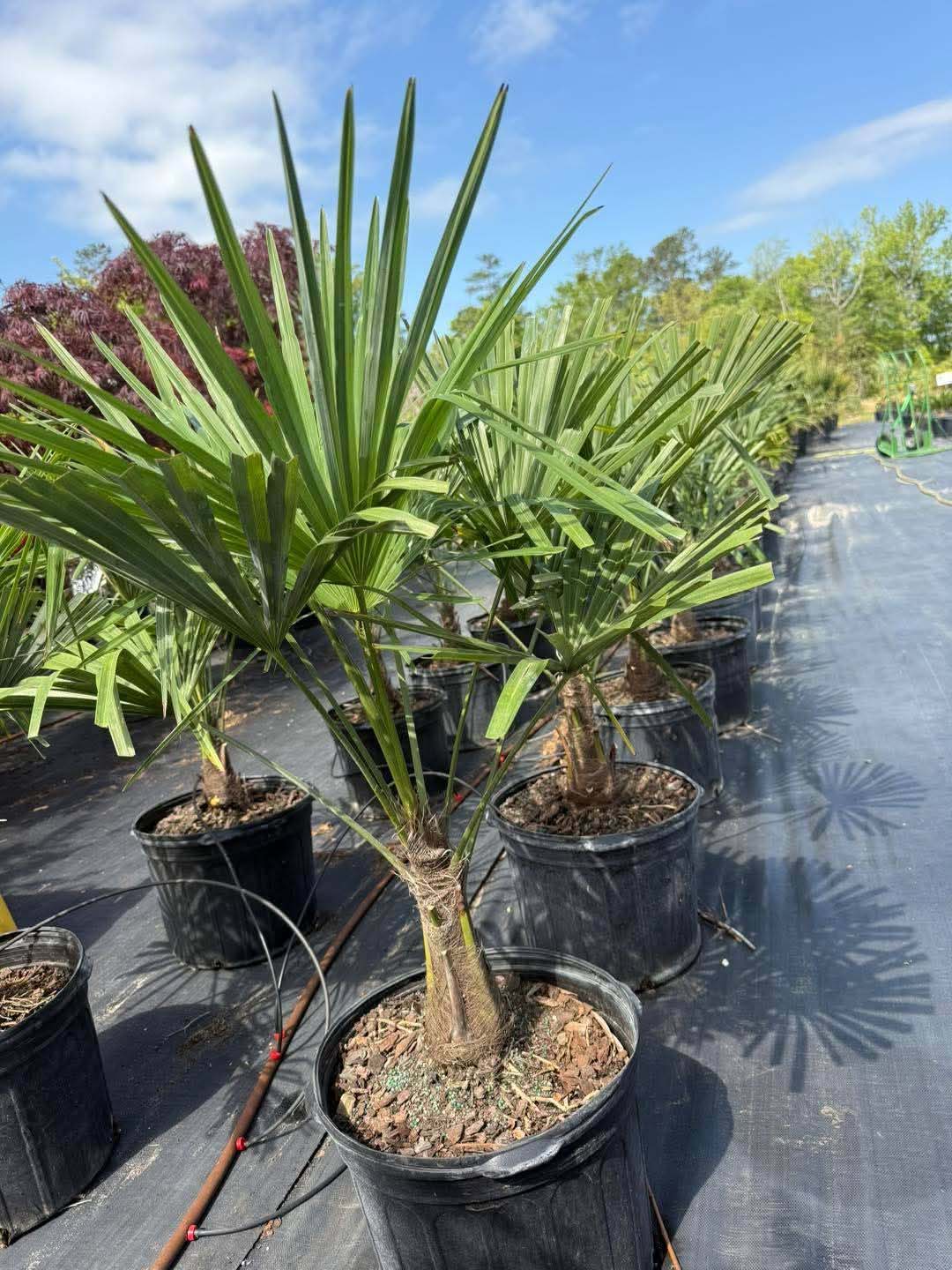
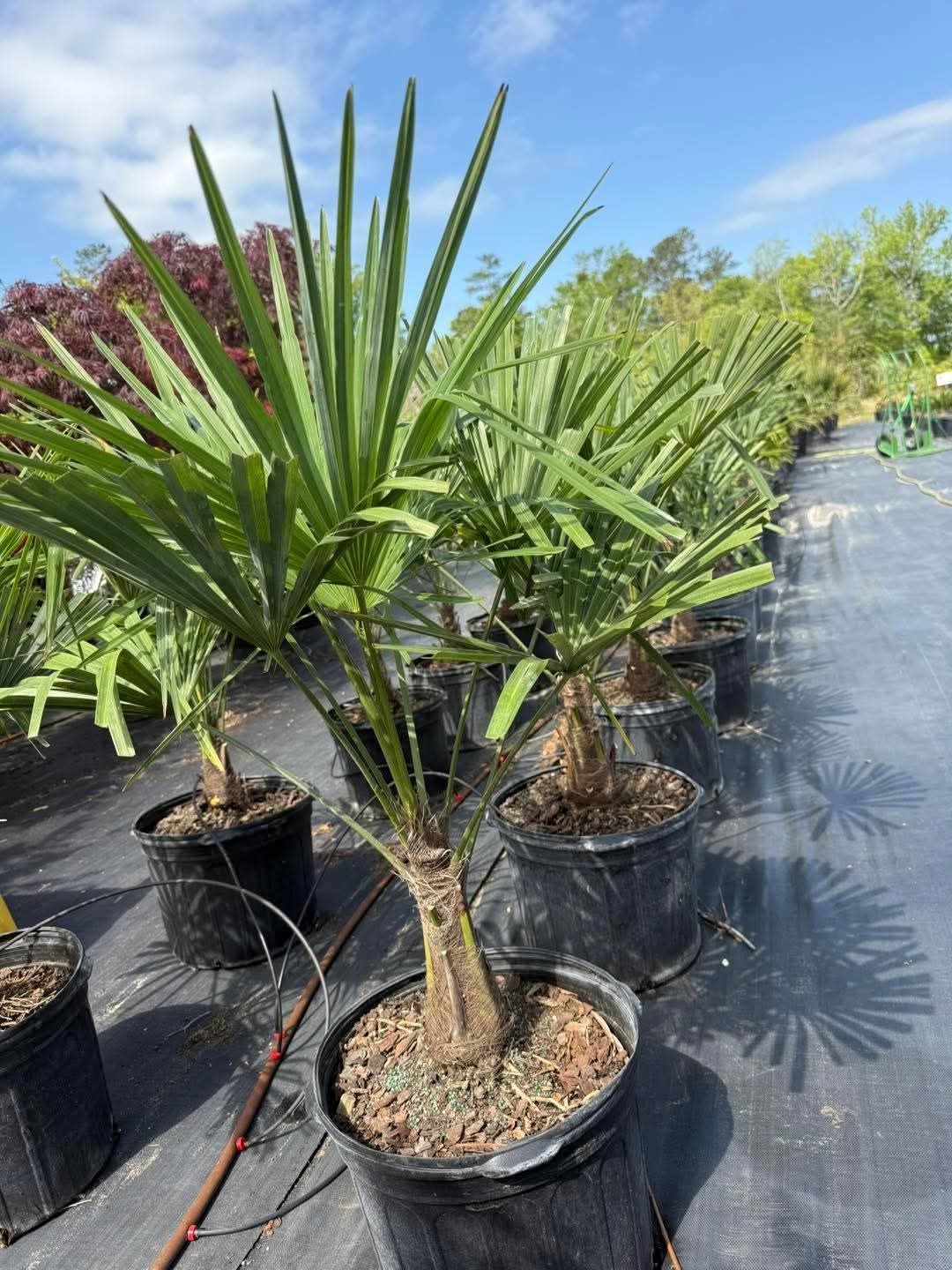
- Windmill Palm
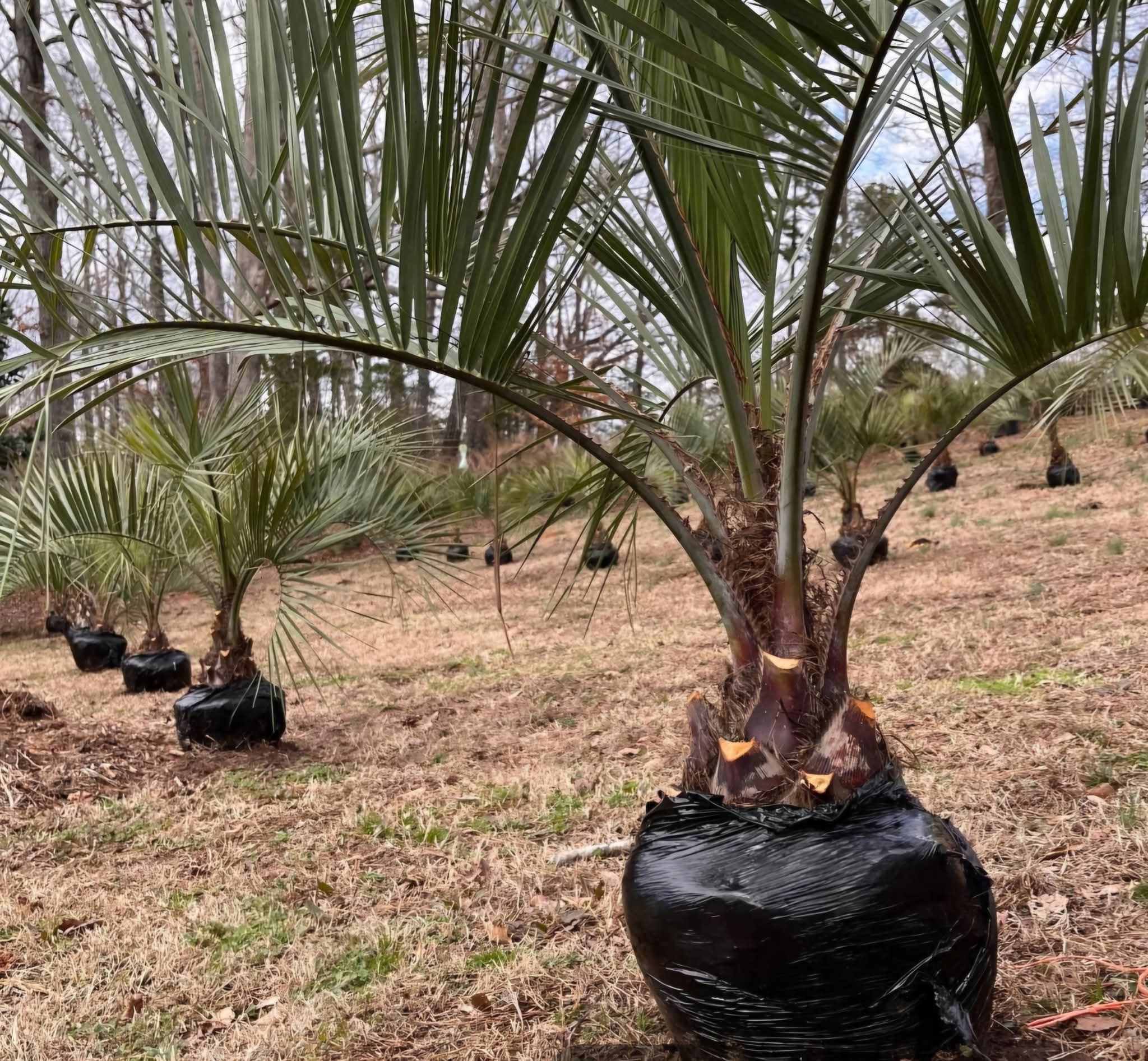
- Pindo Palm (Jelly Palm)
- Needle Palm
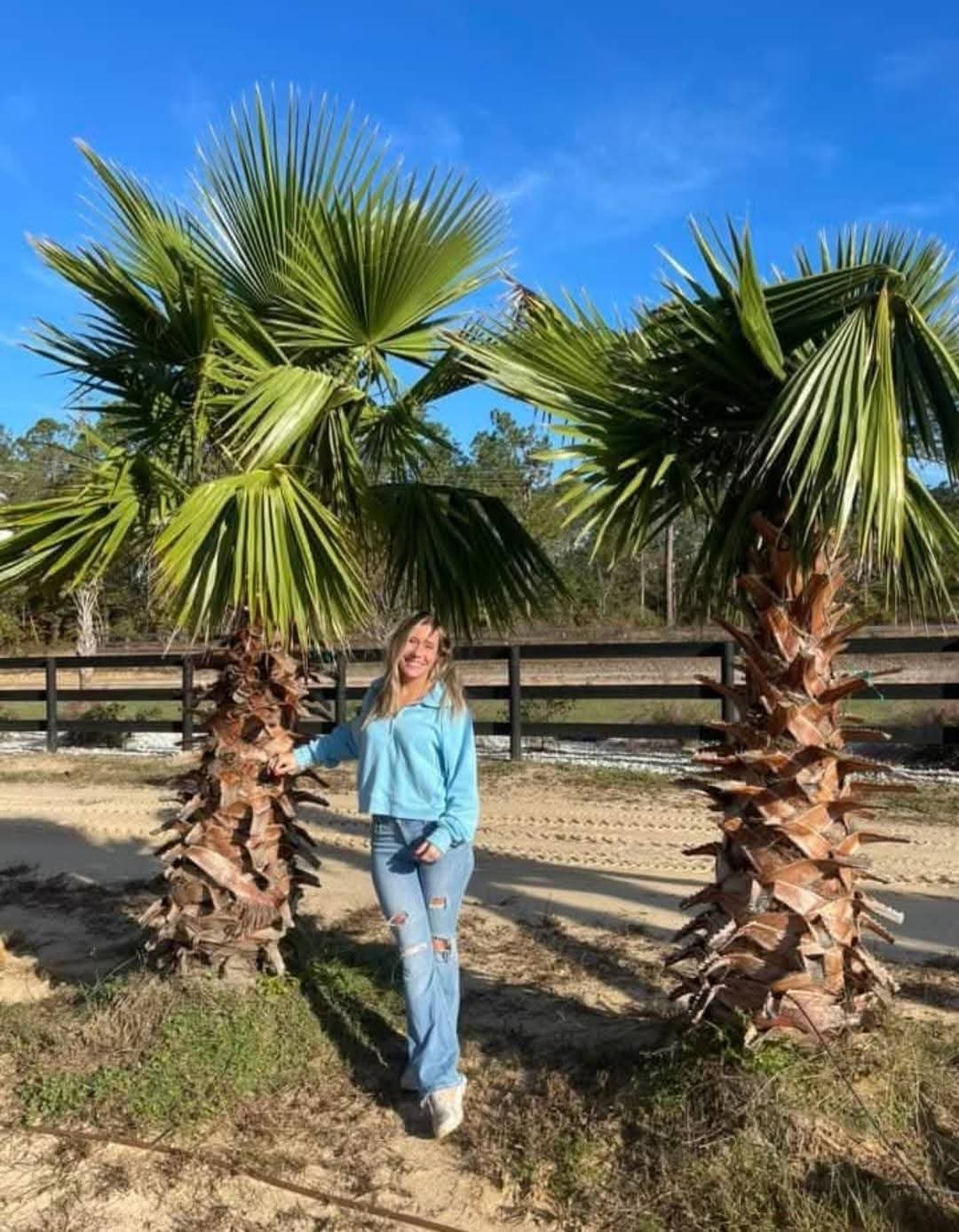
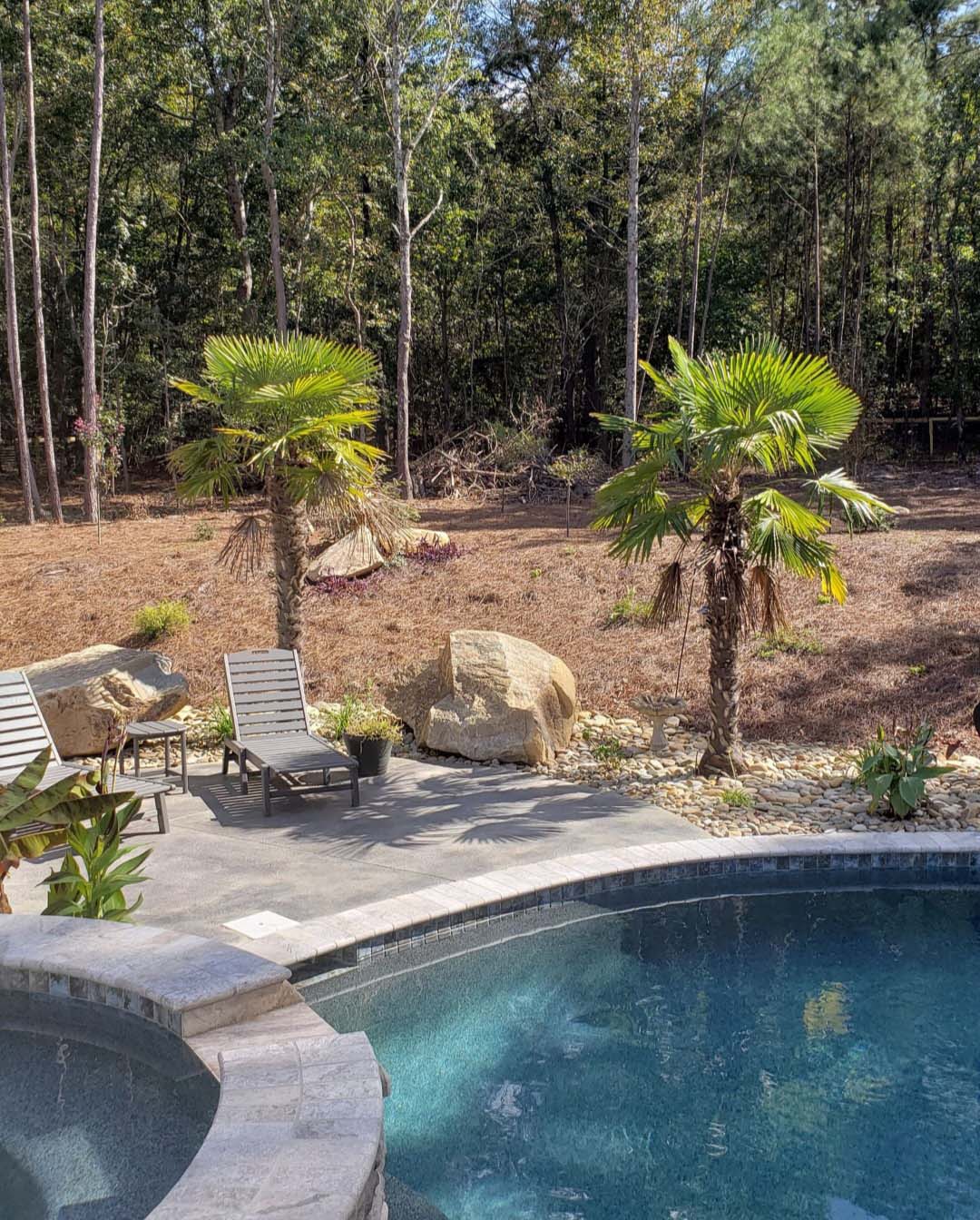
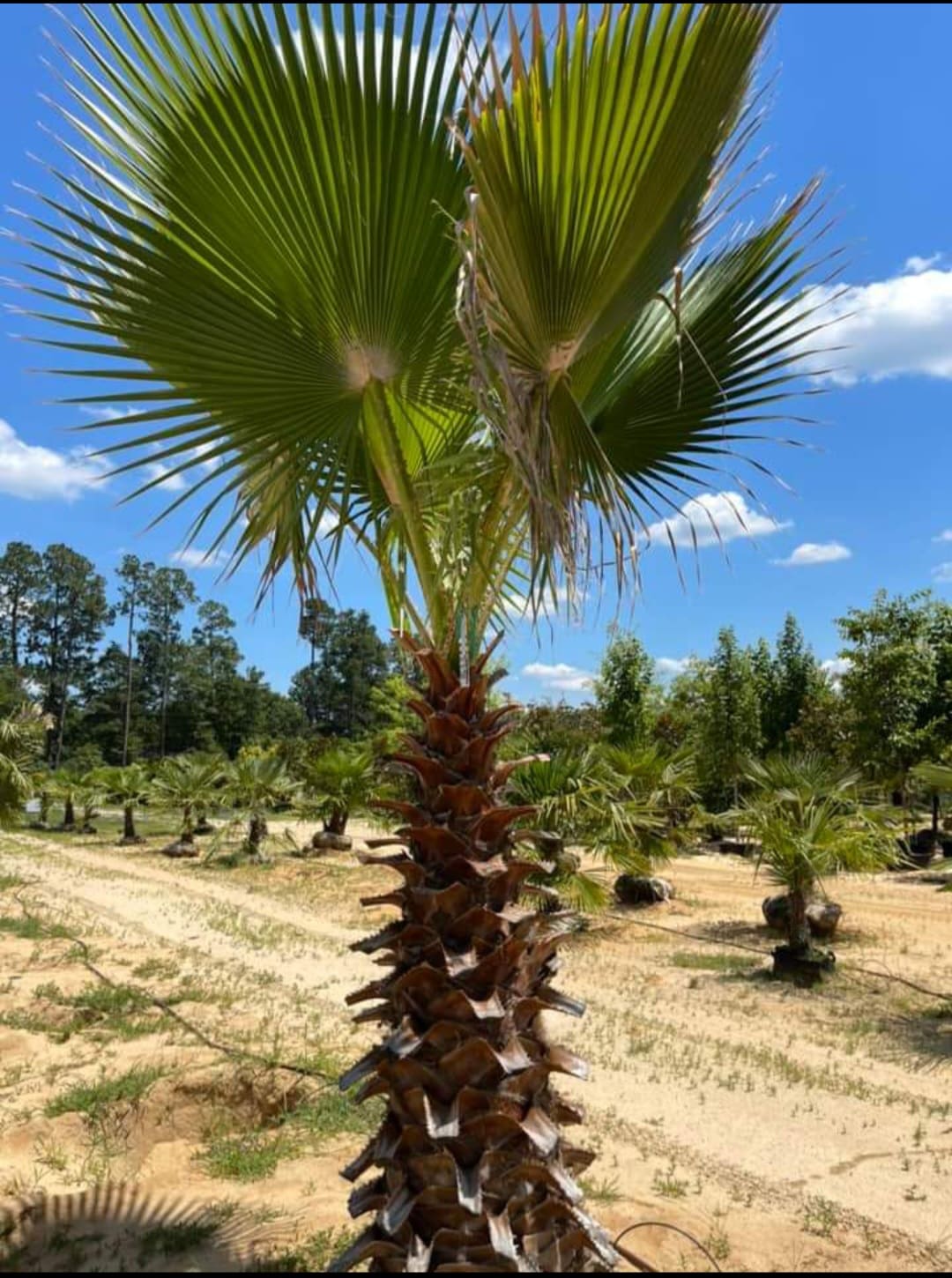
- Washingtonia Palm (Mexican Fan Palm)
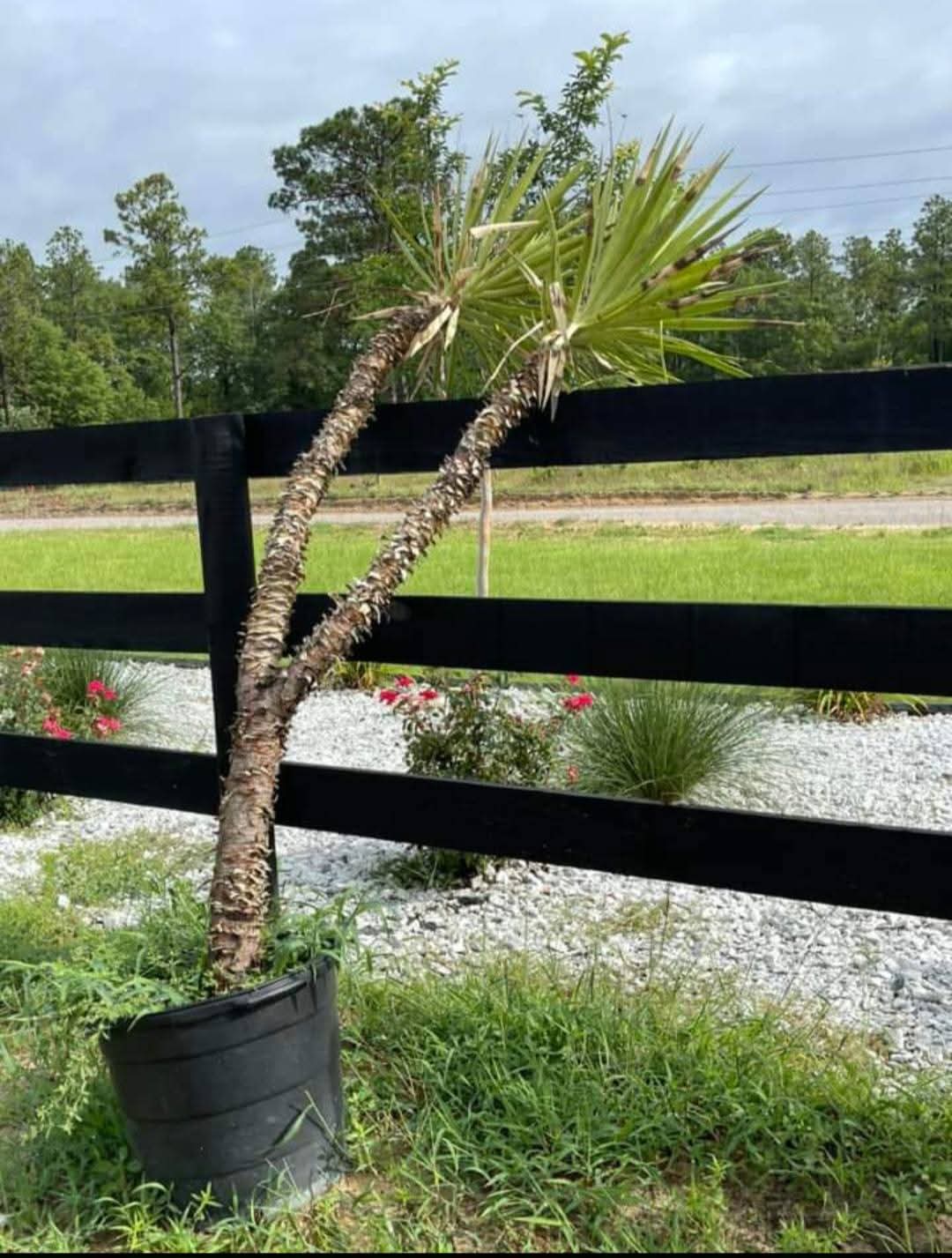
- Yuccas – Several types available
We take pride in providing healthy, field-grown palms suited for the Southern climate. Not sure which palm is right for your property? We’re happy to help you choose the best variety for your soil, space, and aesthetic.
FAQs
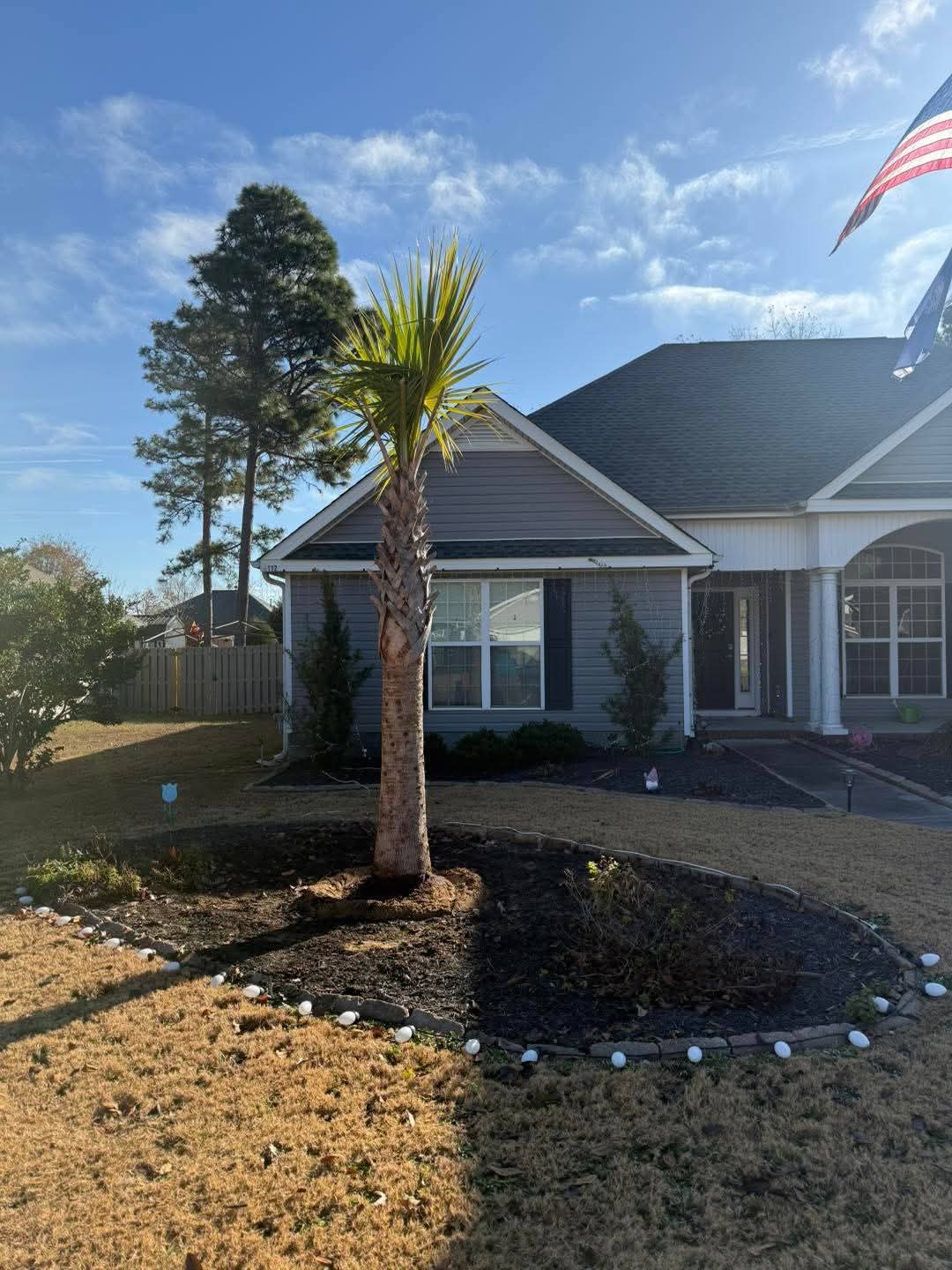
Hurricane Cut Sabal Palmettos are freshly harvested from natural stands. During transplanting, the entire root system dies off, and the canopy is trimmed to minimize stress and water loss. These palms are in their initial stage of acclimation and are not yet rooted into their new environment.
Regenerated Sabal Palmettos, on the other hand, have been replanted and allowed time to recover. Their root systems have redeveloped, and new top growth has emerged—typically 1 to 3 fronds. These palms are grown in the ground for 8 months to a year before being sold, giving them a stronger start and improved transplant success.
Watering needs depend on the palm variety, soil type, and planting elevation. As a general guideline, most large palms we sell require 5 gallons of water per watering cycle.
For more detailed recommendations based on your soil type, visit the Palm Tree Care Guide under the “Palm Trees” tab on our website.
Begin fertilizing one month after installation (avoid fertilizing in winter).
Apply fertilizer one week after the last spring freeze, then again six months later in the fall.
Always use a palm-specific fertilizer—regular lawn or tree fertilizers can cause damage.
Apply the fertilizer around the base of the palm where water is typically applied.
Start by removing the lowest fronds on the trunk. As fronds age, they’ll turn yellow, then brown—these are ready to be trimmed. Use hand pruners or loppers for best results, and avoid cutting green, healthy fronds.
A “boot” refers to the base of a frond that remains after pruning. A “full boot” palm has a trunk fully covered in these cut frond bases, giving it a textured and traditional look.
No. Palms should be planted at or slightly above the existing soil grade. In heavy clay soils, consider planting a few inches higher and adding sand around the base to improve drainage.
Spray irrigation (sprinklers) only wets the top 3–5 inches of soil, which is not deep enough for palm root systems that extend 2–3 feet deep.
Drip irrigation provides deeper and more focused watering—ideal for promoting healthy root development. This is especially important in hot and dry months, when palms are more vulnerable to root stress from inconsistent moisture.